

The Evolution of Milk Processing Facilities: A Historical Perspective

From Traditional Methods to the First Facilities (Ancient Times – 19th Century)
In ancient times, milk was processed locally using simple techniques. Fermented products (cheese, yogurt) were created to prevent spoilage, relying on natural processes and manual labor. During the Middle Ages, monasteries and local producers refined these traditional methods, with European regions becoming specialized in cheese and butter production.
The 19th century saw scientific advancements and the Industrial Revolution paving the way for the first modern steps in milk processing. Louis Pasteur’s discovery of the pasteurization method (1864) enhanced the safety and shelf life of dairy products, laying the foundation for the commercial dairy industry. During this period, the first milk processing facilities emerged, where milk was collected from small farms and processed centrally.
Industrialization and Mechanization (Early 20th Century)
The early 20th century marked a period when milk processing facilities became more organized and mechanized. The integration of electricity and steam power into production increased capacity. Key innovations of this period included:
- The Spread of Pasteurization: Growing awareness of public health led to the standardization of pasteurization practices.
- Homogenization: Breaking down fat globules in milk improved shelf life and enhanced the consumer experience.
- Cooling Technology: Refrigeration systems were developed to prevent spoilage during transportation and storage of milk and dairy products.
These advancements significantly boosted both local and international trade of dairy products.
The Age of Automation and the Global Supply Chain (Mid-20th Century – 21st Century)
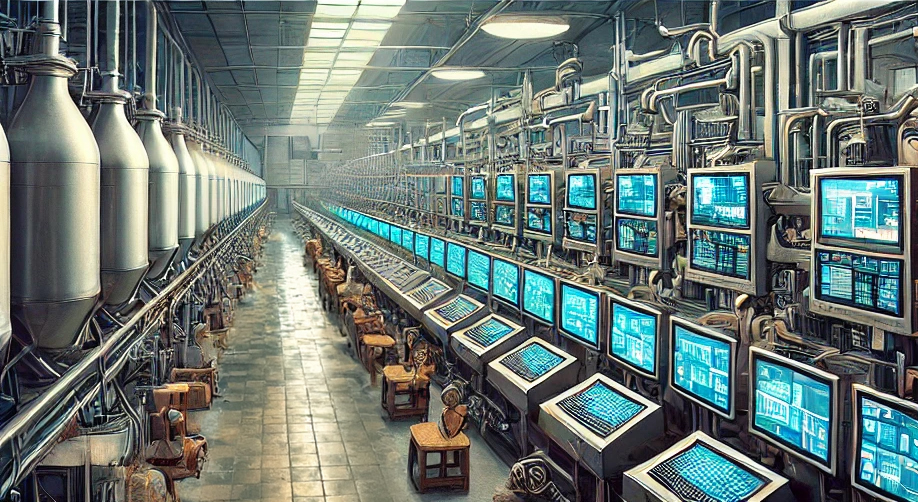
From the 1950s onward, automation revolutionized milk processing facilities. Programmable Logic Controllers (PLCs) and sensors enabled more precise and efficient production processes. With globalization, the production and distribution of dairy products expanded across wider geographies. Key developments included:
- Sterilization and UHT Processing: Ultra-High Temperature (UHT) technology extended the shelf life of milk to months.
- Standardization: Quality standards such as ISO and HACCP ensured regulated production processes and enhanced consumer confidence.
- Packaging Technologies: Innovative packaging solutions (tetra packs, aseptic filling) extended product shelf life and simplified logistics.

Digitalization and Sustainability (21st Century)
In recent years, milk processing facilities have undergone a significant transformation, focusing on digitalization and sustainability. Digital technologies now offer new opportunities for traceability, quality control, and data analytics in production processes. These include:
- Smart Facilities: Internet of Things (IoT) and artificial intelligence enable real-time monitoring and control of production processes.
- Energy Efficiency: The integration of renewable energy sources and energy-efficient machinery reduces the carbon footprint.
- Sustainable Materials: The adoption of recyclable and eco-friendly packaging solutions is on the rise.
Additionally, consumer demand for plant-based milk alternatives has fostered the development of a new segment within milk processing facilities.